
Driverless cars and robotaxis now share Los Angeles streets, and when one causes a crash, an unsettling question follows: Who is responsible when no one was driving? The answer is more complex than an ordinary crash, and the law is still catching up. A Los Angeles electric and driverless vehicle accident lawyer can help you determine who may owe you compensation.
This guide explains how driverless crashes are different, who can be held responsible, and why data is the key evidence. It is educational, not legal advice. Because this area of law is evolving, the specifics of any claim depend heavily on the facts.
Start Here
The Short Answer
If a driverless car or robotaxi injures you in Los Angeles, several parties may be responsible — the company operating the vehicle, the manufacturer or software maker, or another driver who contributed. There is no human driver to point to, so liability often turns on how the vehicle was built, programmed, and operated. California uses comparative fault, so blame can be shared. The vehicle’s own data is usually the most important evidence, and it must be preserved. Because this is a new and evolving area, early legal advice is especially valuable.
What to Do After a Driverless Crash
If you are hit by an autonomous vehicle, protect your health and your claim:
- Call 911 and get medical care, even if you feel okay.
- Photograph the vehicle, any company markings, and the scene.
- Note the operator — the name or brand on the vehicle or app.
- Look for nearby cameras and get witness contacts.
- Ask for a police report and note the responding agency.
- Do not give a recorded statement to any company’s insurer.
- Contact a lawyer quickly so the vehicle’s data can be preserved.
Identifying the operator is especially important with a robotaxi, because the company behind the vehicle — not a driver — is often the key party. A photo of the vehicle, its markings, and the app or brand can make all the difference weeks later.
How a Driverless Crash Is Different
An autonomous crash looks like a car accident, but the way responsibility is analyzed is not the same. Two features set these cases apart from the start.
No Human Driver to Blame
In a normal crash, you look to the careless driver. In a driverless crash, there may be no human at the wheel at all, or a safety operator whose role was limited. That shifts the focus from a person’s split-second choices to how the vehicle was designed, built, and programmed to behave.
This changes the kind of case it becomes. Instead of a straightforward negligence claim against a driver, a driverless crash may involve the company running the fleet and the makers of the vehicle and its software. It can look less like a car-accident case and more like one about a complex product that failed.
An Evolving Area of Law
The rules around autonomous vehicles are still developing, and how responsibility is assigned can depend on the specific technology and circumstances. Self-driving features complicate the question of fault in ways courts are only beginning to work through. For a sense of the legal challenges involved in the EV crash, that guide provides useful background.
Because the law is unsettled, no article can give you a firm answer for your situation, and anyone who promises one should be treated with caution. What is clear is that these claims reward careful, early investigation. Getting advice from someone following this area closely matters more here than in a routine crash.
Who Can Be Held Responsible
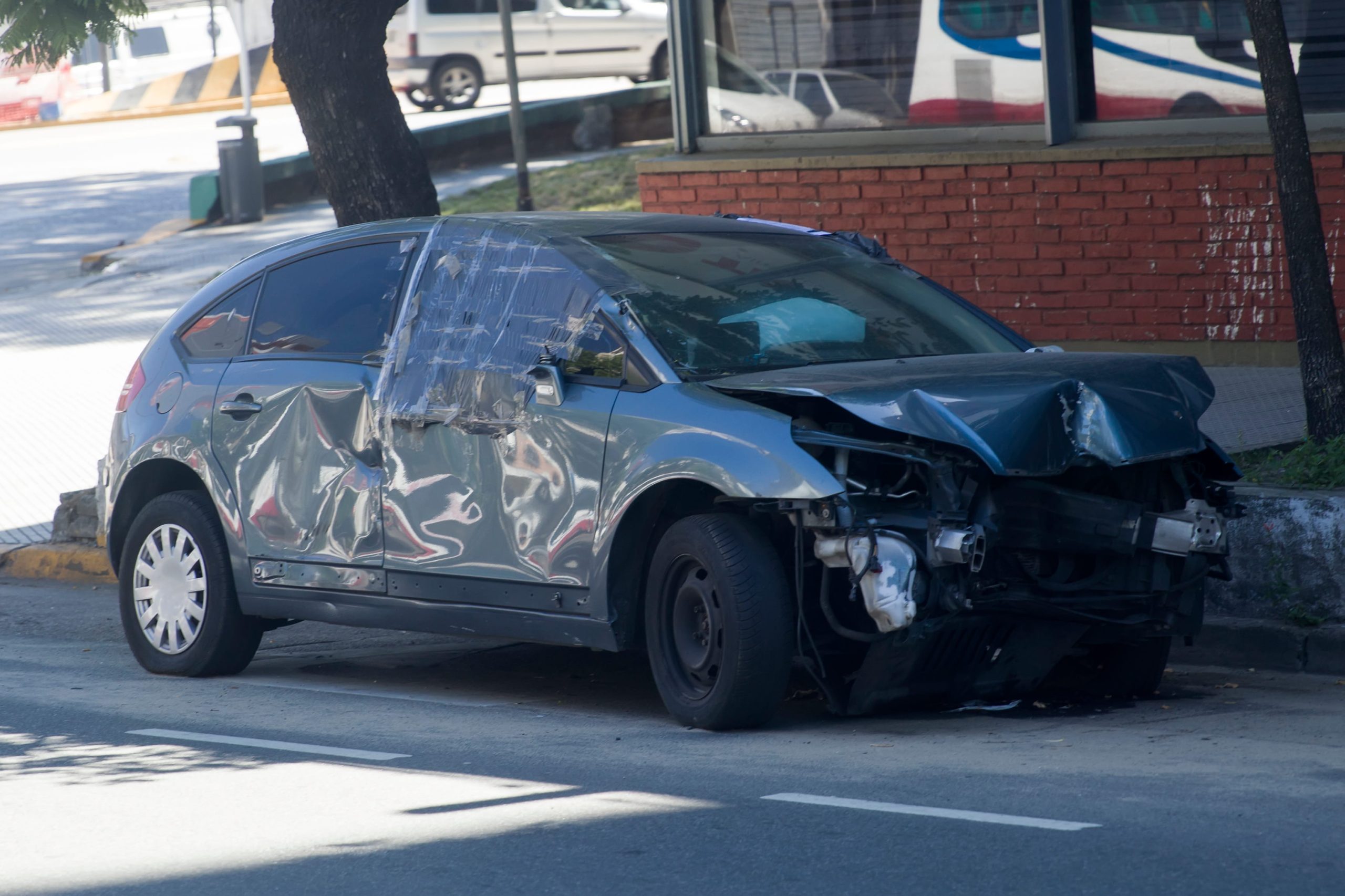
With no single driver at fault, responsibility can be shared among several parties. Untangling it is the heart of a driverless-crash claim.
The Company Operating the Vehicle
The company running a robotaxi fleet may be responsible for how its vehicles operate on public streets. Like any business, it can be held liable for the harm its operations cause, and it typically carries substantial insurance. In many robotaxi crashes, this operator is the central party.
That said, the operator will not simply concede fault. These are sophisticated companies with legal teams and a strong interest in limiting liability, which is one reason an injured person benefits from experienced help rather than negotiating alone.
The Manufacturer or Software Maker
If a defect in the vehicle or its self-driving software caused the crash, the manufacturer or developer may be responsible under product-liability principles. A sensor that failed, a system that misjudged a situation, or a flaw in the software could all point in that direction. Related questions arise with EV product-defect claims, where a vehicle’s own equipment is at issue.
These theories are technical and fact-intensive. Proving a defect usually requires the vehicle’s data and often expert analysis, which is another reason preserving the evidence early is so important. Whether a defect claim fits depends entirely on what the data and investigation reveal.
Another Driver or Party
Not every driverless crash is the vehicle’s fault. Another human driver, a road hazard, or a third party may have caused or contributed to it, just as in any collision. Even the aftermath can raise issues, such as who’s responsible for an EV crash when a fire follows the impact.
Because responsibility can be shared, California’s comparative fault rules apply here as they do elsewhere. Sorting out each party’s role — human and machine — is exactly the kind of analysis these cases require, and it depends on the evidence more than on assumptions.
Hurt by a driverless car or robotaxi in Los Angeles? You can talk to a lawyer today while the vehicle’s data can still be preserved. The initial case review is free.
The Evidence: Data Is Everything
If a human-driver crash turns on witnesses and the scene, a driverless crash turns on data. Autonomous vehicles record enormous amounts of information about what they sensed and did, and that record is often the clearest account of what happened. For how this plays out, see how self-driving tech complicates fault.
The challenge is that this data is controlled by the company and can be overwritten or withheld. Preserving it usually requires a prompt legal demand, and interpreting it can require experts. This is why moving quickly is even more important in a driverless case than in an ordinary one — the single best piece of evidence is in someone else’s hands.
Deadlines apply here too. In California, injury claims generally must be filed within 2 years, according to California courts, and comparative fault can reduce your recovery if you shared blame (California’s comparative fault rule). Between a firm deadline and evidence you do not control, early action is essential in these emerging cases.
Injured by an autonomous vehicle in Los Angeles? Get your FREE INJURY CASE REVIEW and learn what your options may be. Past results do not guarantee future outcomes.
Frequently Asked Questions:
- Who is liable if a driverless car hits me in Los Angeles?
Several parties may be liable, including the company operating the vehicle, the manufacturer or software maker, or another driver who contributed. With no human at the wheel, liability often turns on how the vehicle was built and operated. A lawyer can identify the responsible parties. - Can I sue a robotaxi company after a crash?
You may be able to. A company operating a robotaxi fleet can be responsible for how its vehicles perform on public roads, and it typically carries substantial insurance. The specifics depend on the facts and this evolving area of law. - What if a defect in the self-driving system caused the crash?
Then the manufacturer or software developer may be responsible under product-liability principles. Proving a defect usually requires the vehicle’s data and expert analysis, so preserving that evidence early is essential. - What evidence matters most in a driverless crash?
The vehicle’s own data is usually the most important evidence, along with camera footage and the scene. That data is controlled by the company and can be lost, so a prompt legal demand to preserve it is critical. - Is the law clear on autonomous vehicle accidents?
Not entirely. This is an evolving area, and how responsibility is assigned can depend on the technology and circumstances. No one can promise a firm answer, which is why careful, early investigation matters so much. - How long do I have to file a driverless car accident claim?
Injury claims in California generally must be filed within two years, according to the California courts. Because the key data can disappear quickly, acting well before the deadline is important.
Disclaimer: This blog post is provided for general informational purposes only and does not constitute legal advice. Reading this content does not create an attorney-client relationship between you and LA Injury Lawyers. Laws change, and every case is different, so you should not act or rely on any information here without consulting a licensed California attorney about your specific situation. For advice regarding your circumstances, please contact our office for a free consultation.