
Hollywood’s intersection network — Sunset Boulevard, Hollywood Boulevard, Highland Avenue, Cahuenga — handles some of the densest and most chaotic traffic in Los Angeles. Tourist congestion, rideshare pickup and drop-off zones, and a heavy concentration of entertainment-industry traffic create conditions where crashes happen frequently, and fault is almost always disputed.
What distinguishes a well-supported Hollywood car accident claim from one that gets minimized is evidence — specifically, the kind of evidence that documents what each driver actually did in the seconds before impact. The city’s traffic infrastructure generates more recoverable evidence than most claimants realize. Speaking with Hollywood car accident lawyers early in the process ensures that evidence is preserved before it disappears.
Here’s a breakdown of the evidence types that matter most — and what each one proves.
What Every Hollywood Crash Victim Needs to Know About Evidence Before Talking to an Insurer
Direct Answer: What Evidence Has the Most Impact on a Hollywood Car Accident Claim?
Three evidence categories drive claim outcomes in Hollywood crash cases: traffic and surveillance camera footage that captures the crash sequence, electronic records from rideshare platforms and vehicle systems, and the official LAPD traffic collision report that establishes the officer’s preliminary findings. Each type fills a different gap in the factual picture. The challenge is that all three are time-sensitive — footage overwrites, platform data requires legal process, and LAPD reports take time to finalize. Acting quickly to identify and preserve each source is what separates a complete evidentiary record from one that relies only on competing driver accounts.
What To Do Next: 7 Evidence-Preservation Steps After a Hollywood Crash
- Call 911 immediately — an LAPD response generates the official traffic collision report that forms the baseline factual record for your claim.
- Identify all visible cameras at the scene: traffic signal cameras, private business cameras facing the intersection, and ATM or parking structure cameras.
- Photograph every camera location before leaving the scene — this documents which surveillance sources existed at the time of the crash.
- Note the rideshare status of any vehicle involved — whether the driver was active on a platform affects both the available insurance and the data that can be subpoenaed.
- Collect witness names and contact information from bystanders, business employees, and anyone who may have recorded the crash on a phone.
- Seek medical care immediately — same-day records anchor your injuries to the crash date before any insurer can introduce an alternative timeline.
- Contact a Hollywood car accident attorney as soon as possible — camera footage, in particular, is typically overwritten on 24–72 hour cycles without a legal preservation demand.
Traffic Camera Footage in Hollywood Crash Cases
The City of Los Angeles maintains traffic signal cameras at most major intersections on Sunset Boulevard, Hollywood Boulevard, and Highland Avenue. These cameras are primarily used for traffic management rather than incident recording, and their footage retention periods are short — sometimes as little as 24 to 72 hours. Without a legal hold request, that footage is gone.
When available, traffic camera footage is among the most valuable evidence in a Hollywood crash case. It captures vehicle speeds, signal phases, lane positions, and the precise sequence of events in a way that no driver account can replicate. An attorney can issue a preservation demand to the city immediately after being retained, triggering an obligation to hold the footage before the retention window closes.
Private business cameras — storefronts along Hollywood Boulevard, parking garages on Cahuenga, hotel entrances on Sunset — often have better resolution and longer retention than city cameras. These are also obtainable through legal process but require identifying the business and moving quickly.
Rideshare and Dashcam Evidence in Hollywood Crash Claims
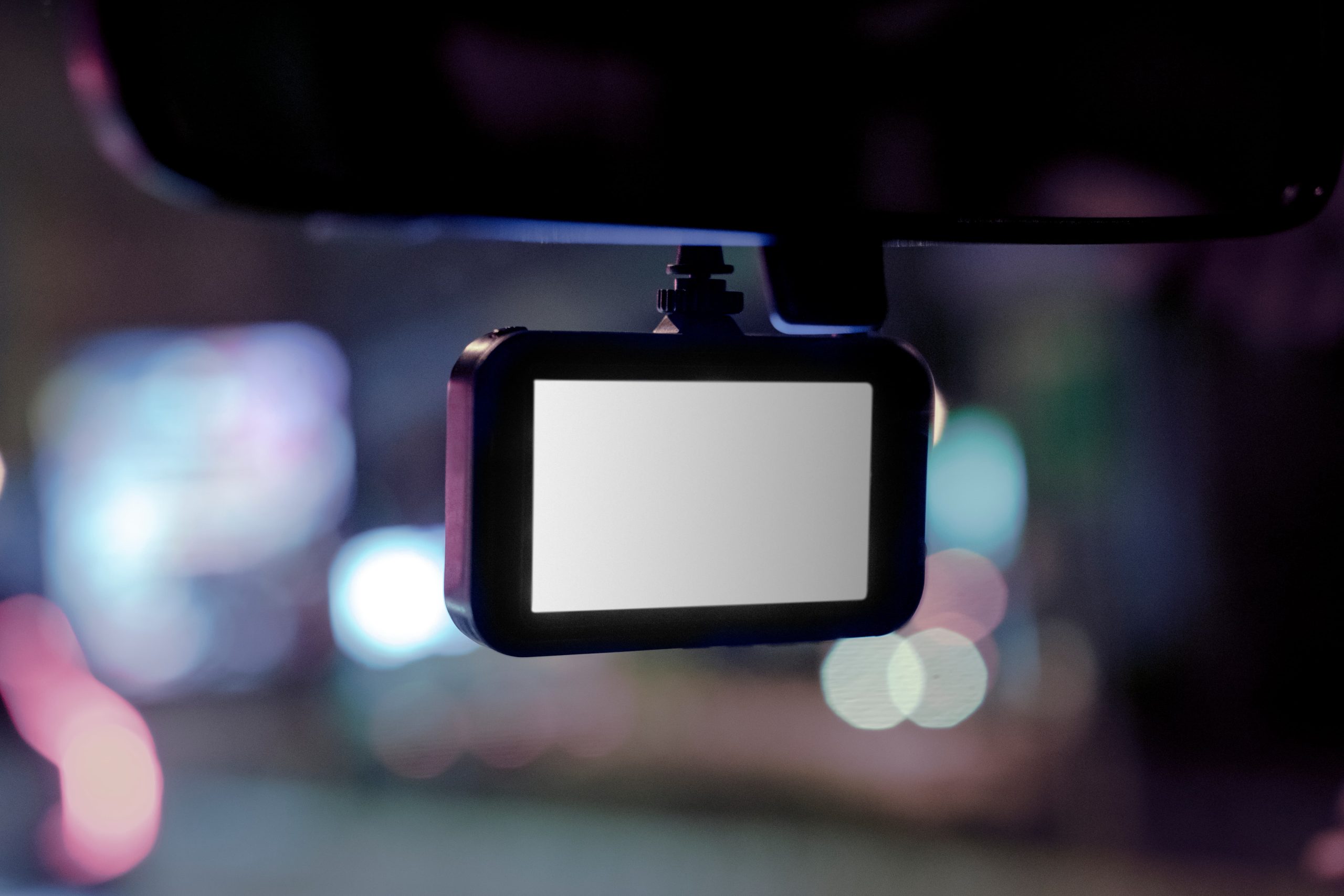
Hollywood has one of the highest concentrations of active Uber and Lyft drivers in Los Angeles. When a rideshare vehicle is involved in a crash — whether as the at-fault vehicle, a struck vehicle, or a nearby witness vehicle — the platform’s data becomes relevant to the claim.
Getting Uber and Lyft Trip Data
Uber and Lyft both maintain GPS logs, trip records, driver status information, and, in some cases, dashcam footage from their driver-facing cameras. This data is not voluntarily produced — it requires a formal legal process to obtain. An attorney can subpoena the platform’s records to confirm driver app status at the time of the crash (which determines which insurance policy applies), GPS route data, and speed information in the period leading up to the collision.
For claims involving rideshare vehicles, connecting with a team that handles rideshare accidents in Hollywood provides access to a platform-specific data strategy that general auto insurers often overlook.
Dashcam Footage and Bystander Recordings
Dashcams are increasingly common in Los Angeles, and Hollywood’s high-traffic environment means multiple vehicles in any given crash scenario may have recorded footage. Bystander cellphone recordings — from pedestrians on the Hollywood Walk of Fame, tourists near Mann’s Chinese Theatre, or business employees on break — are also recoverable if identified quickly. Witness contact information gathered at the scene is the starting point for locating any footage they may have captured.
LAPD Traffic Collision Reports: What They Contain and How to Use Them
The LAPD traffic collision report is the official record of the crash — and one of the most important documents in your claim. It typically includes the responding officer’s observations about the scene, a preliminary fault determination, vehicle and driver information, a diagram of the crash configuration, and any citations issued at the scene.
LAPD reports are not immediate. They take several days to finalize and become available. In the interim, the officer’s field notes and any citations issued may be obtainable. Once finalized, the report is obtainable through LAPD’s online portal or by formal request. Your attorney can expedite this process and interpret the report’s preliminary fault language in the context of your claim.
One important caution: LAPD preliminary fault notations are not binding. They are the officer’s field assessment, made without access to all available evidence. They can be — and frequently are — challenged with camera footage, expert analysis, and witness accounts that present a more complete picture.
The Hollywood practice page provides more detail on how our team approaches Hollywood-area crash claims specifically.
Evidence That Disappears Fastest After a Hollywood Crash
Not all evidence lasts equally long. In approximate order of disappearance risk:
- Traffic signal camera footage: 24–72 hours without a preservation hold
- Private business surveillance: typically 7–30 days, depending on the system
- Bystander and rideshare driver recordings: may be deleted within days without a preservation request
- Vehicle event data recorder (black box): may be overwritten if the vehicle is driven after the crash
- Rideshare platform GPS and trip logs: retained longer but require a legal process before the carrier cycles data
- Witness memory and availability: degrades quickly; contact information collected at the scene is essential
The preservation hierarchy is simple: fastest-disappearing evidence first. An attorney who moves quickly on all categories simultaneously provides the best coverage.
When to Talk to a Hollywood Car Accident Lawyer
Evidence-based Hollywood crash claims require fast action and legal process tools — not just photographs and a police report. Consider reaching out if any camera sources were present at the crash location, if a rideshare vehicle was involved, if the LAPD report doesn’t fully capture what happened, or if the other driver’s insurer is already pushing a version of events you know is incomplete.
Most personal injury attorneys handle these cases on a contingency basis — no recovery, no fee. Contact us for a free case review — or start your free injury case review online right now.
Frequently Asked Questions:
- How do I get traffic camera footage after a Hollywood crash?
City-owned traffic signal camera footage requires a legal hold request or public records request submitted to the appropriate city department. An attorney can submit a preservation demand immediately and follow up with a formal records request once the case is underway. Without that hold, footage is typically overwritten within days. Private business cameras require direct contact with the business or a legal demand letter. - What does the LAPD traffic collision report actually prove?
The LAPD report is an official record of the officers’ on-scene observations, not a final legal determination of fault. It can be valuable supporting evidence — particularly citations issued and the officer’s diagram of vehicle positions — but it can also be challenged. Courts and insurers treat it as one data point among many, not a conclusive finding. - Can I get Uber or Lyft’s GPS data from the crash?
Yes, but through a formal legal process. Rideshare platforms do not voluntarily share trip data with claimants. An attorney can subpoena platform records, including driver app status, GPS route, and trip timing — all of which are relevant to both fault determination and insurance coverage identification. The earlier this process begins, the better the odds that all relevant data is still retained. - What if no cameras caught the crash, and it’s my word against the other driver’s?
He-said-she-said situations are common in Hollywood crashes — but rarely purely word-for-word. Physical evidence like vehicle damage patterns, skid marks, and final resting positions all corroborate one version of events over another. An accident reconstruction expert can analyze physical evidence to independently establish the crash sequence even without video. Independent witnesses identified at the scene are also invaluable in these situations. - Does a LAPD citation issued at the scene prove the other driver was fully at fault?
A citation is relevant evidence that the cited driver violated a traffic law — but it’s not proof of full fault, and it doesn’t automatically establish your damages. California’s comparative negligence framework means that even a cited driver’s insurer can still argue you share some of the fault. The citation strengthens your position, but doesn’t end the liability dispute. - How long do I have to file a car accident claim after a Hollywood crash?
In most California personal injury cases, the statute of limitations is typically two years from the date of the accident. If a government vehicle — such as a city bus or LAPD vehicle — was involved, a government claim may need to be filed within six months. Confirm your specific deadline with an attorney. The evidence preservation timeline is far shorter than the filing deadline, which is why early legal contact matters even if the statute of limitations seems far away.