





If you were injured in a Downtown Los Angeles collision, LA Injury Lawyers can investigate fault, preserve evidence, identify available insurance and document the losses connected to the crash. We evaluate claims involving drivers, passengers and pedestrians in Downtown LA.
A crash near a freeway entrance, transit stop or parking structure can involve more evidence than a routine two-car claim. Our team can organize the investigation while you focus on medical care. Call (818) 418-4000 or request a free case evaluation. Hablamos español.
ON THIS PAGE | Do I have a claim? | Downtown evidence | Who may be responsible? | Insurance and damages | Deadlines | Frequently asked questions
A viable injury claim generally requires evidence that unsafe conduct contributed to the collision and caused physical or financial harm. You do not need every answer before requesting an evaluation.
A disputed report, delayed symptoms or an uninsured driver does not automatically eliminate a claim. Those issues make early evidence and coverage review more important. Tell our team what happened and what information you already have.
Effective representation begins with a clear investigation plan. LA Injury Lawyers preserves proof, traces insurance and presents the medical and financial record for insurer review.
Accepted matters are handled under a written contingency-fee agreement, so no attorney fee is paid in advance. Attorney fees depend on a recovery, and the signed agreement explains how case costs are handled.
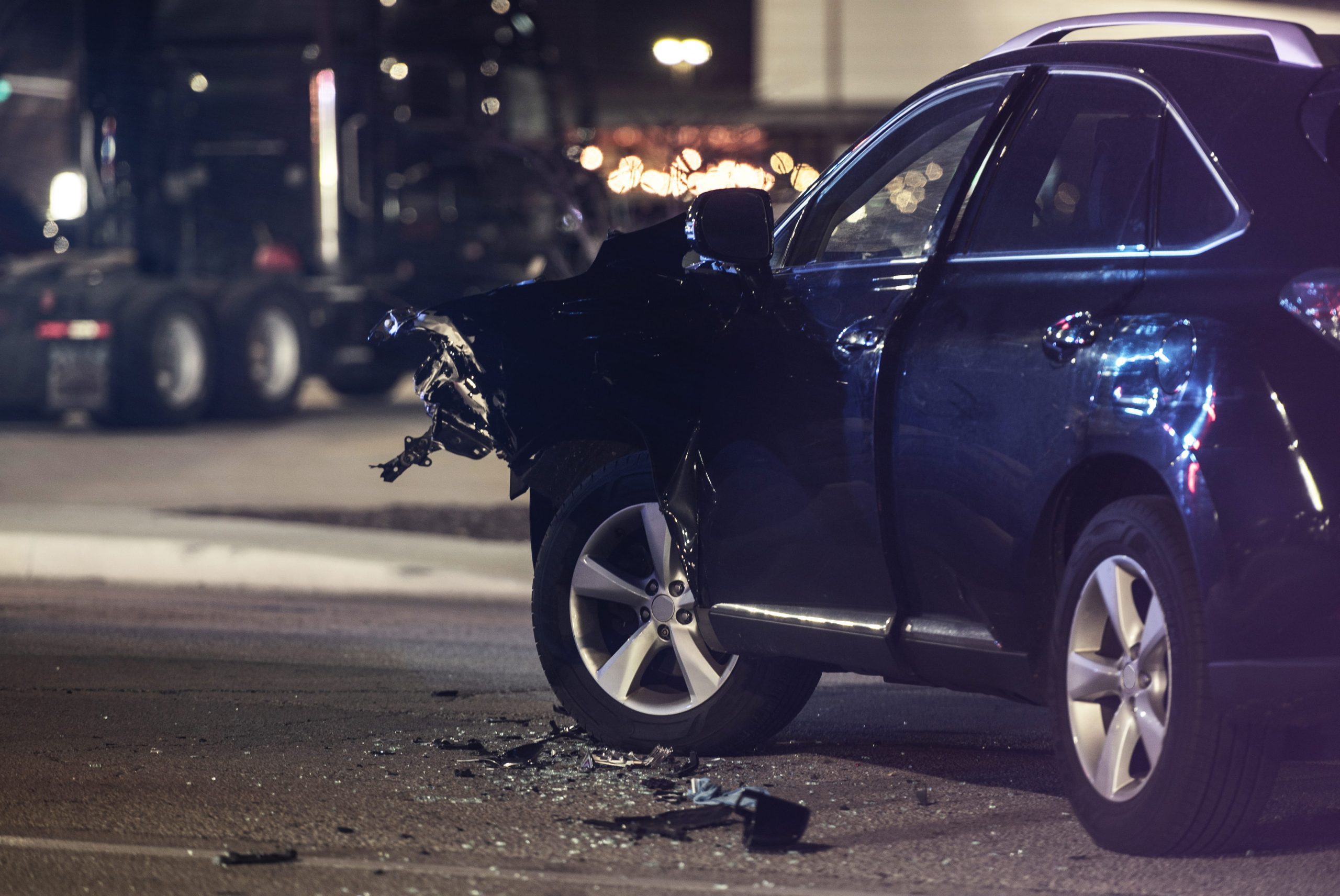
Downtown LA combines freeway access, one-way streets, bus and rail activity, rideshare pickups, delivery traffic, parking structures and heavy pedestrian movement. The legal rules are the same, but the sources of evidence can change from one block to the next.
A collision near the Financial District, South Park, Civic Center, Bunker Hill, Union Station, the Arts District or the Fashion District may be recorded by a hotel, business, transit vehicle, parking facility or dash camera. Recordings may be overwritten quickly. A preservation request should identify the location, time window, direction of travel and record holder.
Crashes near the 110 or 10 may require lane, merge and vehicle-position evidence. Surface-street claims may depend on turns, signal phases, curb activity or sight lines. The City publishes an official LAPD traffic-collision dataset, but citywide data does not prove how a particular crash occurred. Case-specific evidence remains essential.
Protect health and safety first, then create a reliable record without guessing about fault. Downtown traffic can change the scene quickly, so photographs, witness information and precise location details are especially valuable.
Ashton Cohen at LA Injury Lawyers is a managing attorney with extensive experience in complex litigation, having represented both corporations and injury victims. Leveraging insider knowledge of insurance strategies, he now advocates for clients, securing millions in settlements through strategic, results-driven legal representation.
The negligent driver is often the starting point, but a complete investigation asks who owned the vehicle, why it was being driven and whether another person or entity controlled the trip, vehicle or roadway condition.
Downtown disputes often concern turns, curb pickups, merges or signal phases. California may apportion responsibility, reducing recovery by a claimant’s share. Video, impact points, signal data and app records can test competing accounts.
The strongest evidence connects four issues: what happened, who was responsible, what injury the crash caused and what losses followed. Timing matters because recordings disappear, vehicles are repaired and witnesses become harder to locate.
Evidence | What It May Show | Downtown Timing Risk |
|---|---|---|
Scene photographs and video | Vehicle positions, traffic controls, damage, visibility and road conditions | Traffic clears and conditions change quickly |
Business, building and transit recordings | Movement before impact and independent views of the collision | Routine systems may overwrite footage |
Witnesses and collision reports | Independent observations and the initial account | Visitors and commuters can be difficult to relocate |
Vehicle, phone and app data | Speed, braking, location, work activity or rideshare status | Targeted preservation may be required |
Medical and employment records | Diagnosis, treatment, restrictions, missed work and reduced income | Gaps and inconsistent records create disputes |
Keep damaged property, repair and towing documents, photographs and video. For income loss, preserve pay statements, schedules and employer confirmation. A factual recovery journal can document mobility limits and disrupted activities while remaining consistent with the medical record.
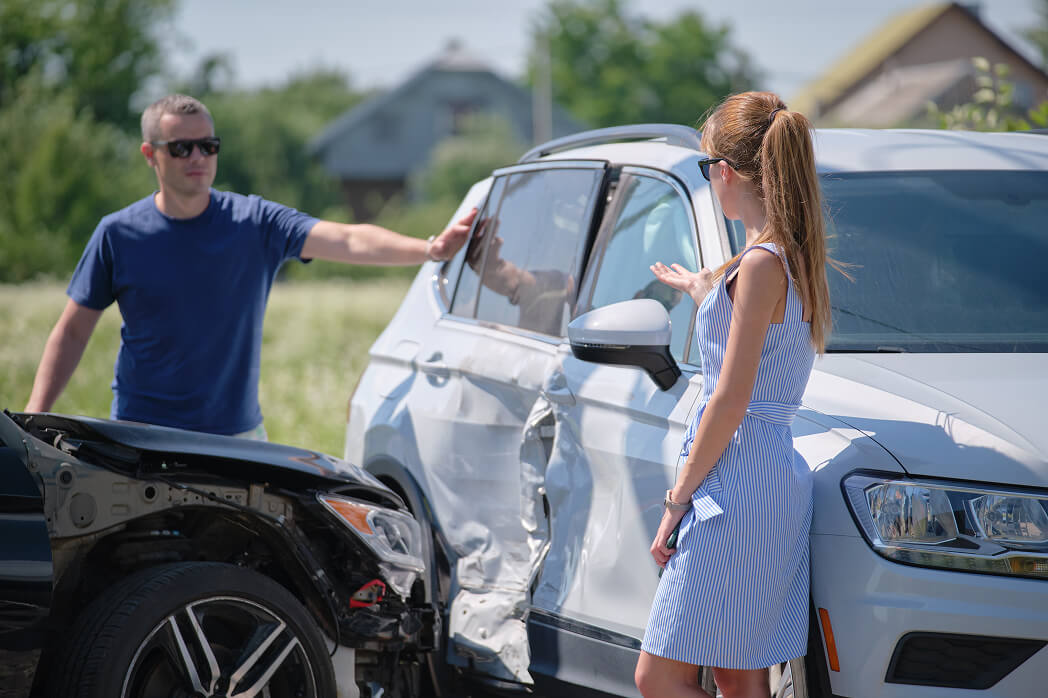
Insurance limits can restrict what one policy will pay, but the first declarations page is not always the entire coverage picture. The investigation should identify every responsible party and every potentially applicable policy before treating a limit as final.
California’s current minimum liability limits for most private passenger vehicles are $30,000 for injury or death to one person, $60,000 for injury or death to more than one person and $15,000 for property damage. Those are minimums, not a valuation formula. Serious injuries can exceed them.
Other sources may include a vehicle owner’s policy, employer or commercial coverage, rideshare coverage, an umbrella policy and uninsured or underinsured motorist protection. Policy language, app status, ownership and work purpose can change the analysis.
Compensation is based on proven losses, not a standard settlement chart. A claim may include reasonable medical expenses, lost income, reduced earning capacity, property loss, out-of-pocket costs, physical pain, emotional distress and loss of ordinary activities.
Medical documentation should connect the diagnosis and treatment to the collision. Employment records should show missed time or reduced duties. Repair estimates, transportation receipts and other expenses establish financial impact. Long-term injuries may require future medical or vocational evidence.
A quick offer can arrive before the prognosis, wage impact or available coverage is clear. Signing a release usually ends the claim against the released parties, so the medical and insurance picture should be understood before accepting a final settlement.
California generally allows two years from the injury to file a personal injury lawsuit, but exceptions and shorter procedures can apply. The correct deadline depends on the defendants, the type of loss and the facts of the claim.
A claim involving a city, county, transit agency or other government entity may require an administrative claim within six months for personal injury or property damage. California Courts provides separate guidance for personal injury deadlines and government claims. Missing an administrative deadline can affect later litigation.
Legal deadlines are not the only reason to act. Video, vehicle data, witness memory and physical evidence can deteriorate long before the filing period expires. Early review protects options without requiring an immediate lawsuit.
An insurer may question fault, whether the crash caused the reported condition, whether treatment was necessary, whether income loss is documented or whether another policy should respond first. Each issue requires evidence, not slogans.
Common tactics include requesting a broad recorded statement, emphasizing a delay in treatment, comparing injury allegations to vehicle damage, arguing that prior conditions explain the symptoms or seeking a release before future needs are known. Claimants should report the event accurately but avoid guessing, minimizing symptoms or signing documents they do not understand.
LA Injury Lawyers organizes the scene evidence, medical chronology, wage documentation and coverage analysis so the claim addresses likely defenses. The same record supports litigation if the dispute continues.
The firm develops responsibility, insurance and damages together, with a practical explanation of each next decision.
These verified reviews describe firm-wide car accident experiences. They are not represented as Downtown Los Angeles matters and do not predict the outcome of another case.
“From day one, he explained everything clearly, handled negotiations with the insurance company and got me a settlement that exceeded my expectations.”
– Mir, five-star Avvo review, July 20, 2026
“Had an auto accident and la injury came through! Fast and easy with great communication.”
– Jason J., five-star Yelp review, April 23, 2026
Client experiences and case outcomes vary. Results depend on the facts, liability, injuries, evidence, available insurance and other case-specific circumstances.
Ashton S. Cohen is the managing attorney of LA Injury Lawyers. His background in complex litigation, insurance disputes and service as general counsel informs how the firm anticipates arguments and structures evidence.
For broader local representation, visit our Downtown Los Angeles personal injury lawyer hub. For citywide insurance, liability and claim guidance, review the Los Angeles car accident lawyer page.
Claims involving commercial vehicles, app-based transportation or people outside a vehicle may require a more specialized analysis. Explore our Downtown LA pages for truck accident claims, rideshare collisions and pedestrian injuries.
Evidence in Downtown LA can disappear before an insurer completes its first review. LA Injury Lawyers can assess the collision, identify immediate preservation needs and explain the next practical step without promising a particular result.
Call (818) 418-4000 or send the collision details for a free evaluation. Hablamos español. For an accepted matter, the written contingency agreement controls attorney fees and case-cost responsibilities; no attorney fee is collected in advance.
Prepared by: LA Injury Lawyers Editorial Team | Attorney reviewer: Ashton S. Cohen, California Bar No. 312255 – Active | Last substantially updated: August 11, 2026
Attorney Advertising. This material provides general information and is not legal advice for a specific matter. A website visit, call or form submission alone does not create an attorney-client relationship. Reviews and prior results do not guarantee or predict another outcome. Deadlines, exceptions and special procedures may affect available rights.
“They got me $500,000 after my accident – I couldn’t have done it without them!”
“They got me $500,000 after my accident – I couldn’t have done it without them!”
“They got me $500,000 after my accident – I couldn’t have done it without them!”
Notice is different from a broad recorded narrative. Clarify which carrier is asking, why and what your policy requires. Preserve known facts; do not estimate speed, signal timing or an unresolved medical prognosis.
A shared-fault allegation does not end the analysis. Compare the claimed maneuver — a loading-zone merge, turn or door opening — with video, signal sequencing, impact points and digital trip records. Any fault assigned to you may reduce recovery.
Minimum limits may be insufficient for a serious injury, but the review should not stop with one policy. Vehicle-owner, employer, commercial, rideshare, umbrella or uninsured and underinsured motorist coverage may apply depending on the facts and policy terms.
Identify defendants first. A City, Metro or public-property claim may require an administrative filing within six months. Other injury suits generally have a two-year filing period, subject to exceptions. Confirm the deadline instead of relying on the crash anniversary.
No responsible estimate can be based only on the accident type or current medical bills. Value depends on liability, medical evidence, recovery time, income loss, future limitations, available insurance and defenses. The range becomes clearer as those facts are documented
Serving Clients Across Los Angeles
Beverly Hills
Downtown LA
East LA
Hollywood
Inglewood
Ventura County
San Fernando Valley
San Gabriel Valley
Santa Clarita
Simi Valley