
When you’re trying to figure out who is responsible for a car accident, the short answer is: often both can share responsibility, depending on the facts.
California has two main ways a car owner can be held liable when someone else causes a crash in their vehicle:
- Vicarious (automatic) liability under the “permissive use” law
- Direct liability for negligent entrustment or other independent negligence
Under California’s “permissive use” statute, Vehicle Code § 17150, every owner of a motor vehicle is legally responsible for death, injury, or property damage caused by someone who is driving their car with the owner’s express or implied permission.
That means in many LA accidents, both the driver and the owner can be on the hook—and that can expand the pool of insurance money available to pay for your injuries.
How California’s Permissive Use Law Works
To understand who is responsible for a car accident, the owner or driver, you first need to know how permissive use works.
Under Vehicle Code § 17150 and § 17151:
- The driver is liable for their own negligent driving.
- The owner is also liable if the driver had permission (express or implied) to use the car.
However, the owner’s vicarious liability is capped for this type of statutory responsibility:
- $15,000 for injury or death to one person
- $30,000 for injury or death to more than one person
- $5,000 for property damage
This is separate from any liability the owner may have for their own negligence, which may exceed these caps.
So in many borrowed-car crashes:
- The driver’s liability is based on what they did behind the wheel.
- The owner’s liability is based on letting them drive the car in the first place.
When the Driver Is Primarily Responsible
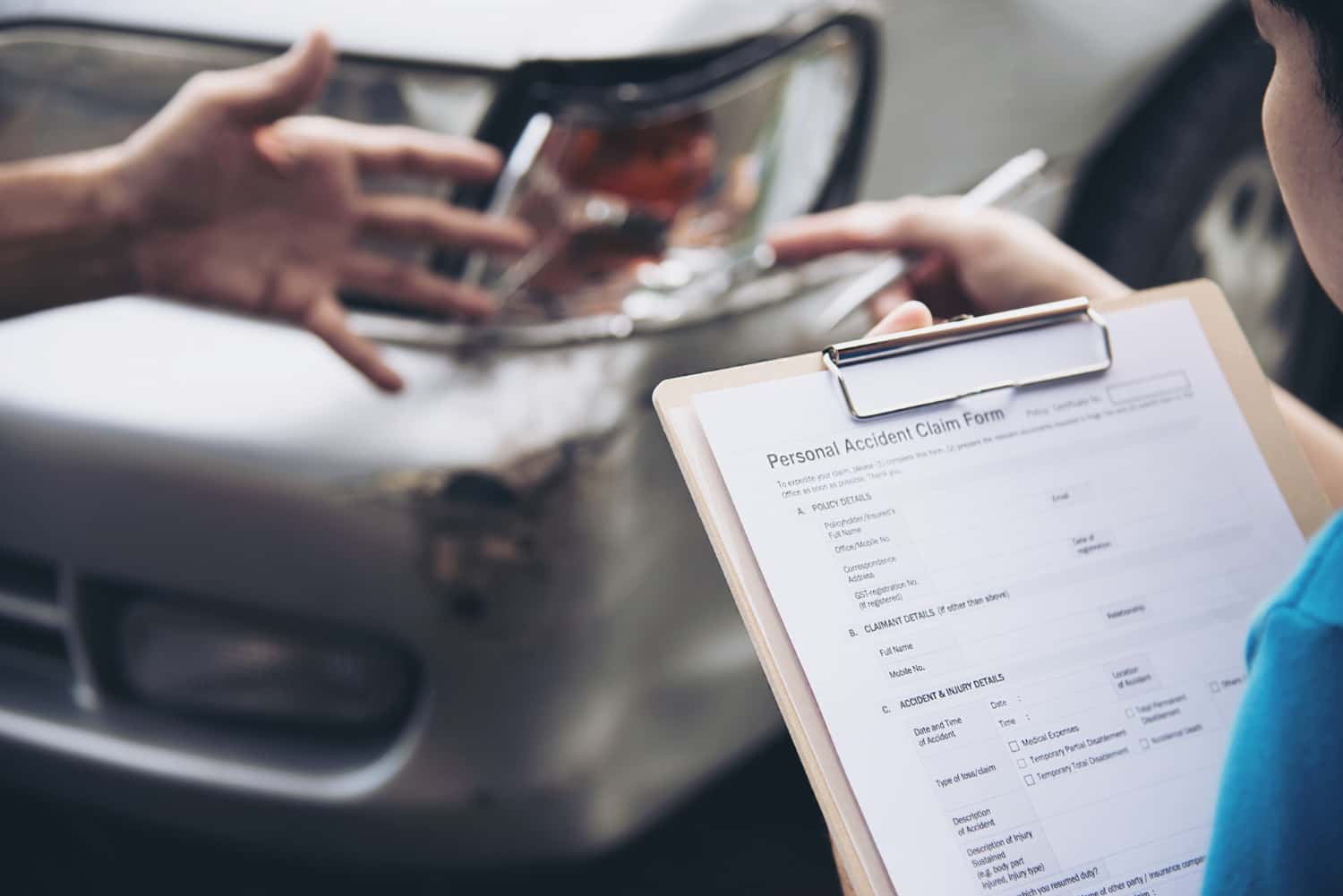
In a typical LA crash where the owner wasn’t present, the driver is usually the first person blamed. They may be primarily at fault if they were:
- Speeding or driving recklessly
- Texting or distracted
- Running a red light or stop sign
- Driving under the influence
- Following too closely or changing lanes unsafely
If you’re the injured victim, you can pursue a claim against:
- The driver, personally
- The insurance policy covering the vehicle (usually tied to the owner)
- Other policies that may apply (like the driver’s own insurance)
A car accident lawyer can track down all potential policies and parties, so you’re not limited to a single insurance limit when you deserve more.
When the Owner Can Be Held Responsible Too
The car’s owner can share or even take on significant responsibility, even if they weren’t in the vehicle.
Situations where owners may be liable include:
- Permissive use: They allowed the driver to use the car (expressly or implicitly).
- Negligent entrustment: They gave the car to someone they knew or should have known was unsafe—like an unlicensed, drunk, or habitually reckless driver.
- Poor maintenance: They let someone drive a car with known unsafe conditions (bad brakes, bald tires, etc.).
Negligent entrustment is vital because it involves the owner’s own independent negligence. Courts have made clear that when you sue an owner for negligent entrustment, the owner doesn’t get the protection of the permissive-use caps and can be responsible for the full damages.
So when you ask who is responsible for a car accident, the answer may be both, especially if the owner handed the keys to someone who clearly shouldn’t have been driving.
Exceptional Cases: Employers, Company Cars, and Family Vehicles
Sometimes the “owner” is not an individual but a business or organization:
- Employer liability (respondeat superior)
If an employee causes a crash while driving a company car or their own car within the scope of employment, the employer may be responsible for the employee’s negligence. - Rental cars and commercial fleets
Rental companies have some federal protections (Graves Amendment), but they can still be liable for negligent entrustment or poor maintenance in certain situations.
Family situations matter too. For example:
- A parent can be liable if they knowingly allow a minor child with a bad driving record or no license to use the car.
- Some claims involve doctrines related to vehicles used by families, coupled with California’s owner-liability rules under Vehicle Code §§ 17150–17151.
These cases get legally complex quickly, which is why it’s so important to have an experienced legal team on your side.
How Insurance Works When Someone Else Drives the Car
Another big piece of who is responsible for a car accident, the owner or driver, is how insurance applies.
In California:
- Insurance usually “follows the car,” not the driver.
The policy on the vehicle typically provides the first layer of coverage, even if someone else was driving with permission. - The driver’s own policy may apply as secondary or excess coverage.
- Umbrella policies, employer policies, or other coverages may also apply.
This means you may have more than one policy to pursue. A car accident lawyer can identify and coordinate all applicable coverages to maximize your potential recovery.
What If the Owner Says the Driver Didn’t Have Permission?
Car owners often try to avoid responsibility by saying the driver took the car without permission.
But permission can be:
- Express – “Yes, you can borrow my car.”
- Implied – Longstanding patterns, shared car use, access to keys, or prior similar use.
Courts can consider the relationship between the owner and driver, past behavior, and other facts to determine whether permission was implied.
If your case depends on permission, LA Injury Lawyers can dig into phone records, text messages, social media, and witness statements to show what really happened.
How LA Injury Lawyers Help You Prove Who’s Responsible
When you’re hurt, you shouldn’t have to become an expert in California Vehicle Code sections overnight.
Our team at LA Injury Lawyers:
- Investigates who owned the car, who was driving, and how they’re connected
- Analyzes owner liability under Vehicle Code §§ 17150–17151 and negligent entrustment law
- Collects evidence of permission, employment, or family use
- Identifies all insurance policies that may provide coverage
- Calculates the full value of your damages—including future care and lost income
- Negotiates aggressively and, if needed, takes your case to court
We bring decades of combined experience and deep knowledge of the LA court system to every case, and we work on a contingency fee basis—no upfront fees, and we only get paid if we recover money for you.
Unsure Who’s Responsible—Owner or Driver?

If you’re confused about who is responsible for car accident owner or driver in your situation, you’re not alone.
Borrowed cars, company vehicles, and family cars make liability complicated—but that complexity can also mean more paths to compensation.
Reach out to LA Injury Lawyers for a free, no-obligation consultation with an experienced Los Angeles car accident lawyer who can untangle ownership, permission, and insurance issues for you.
Get Clear Answers on Owner and Driver Liability
When you’re dealing with injuries, bills, and insurance calls, the last thing you need is a legal puzzle about who is responsible for a car accident: the owner or the driver.
Let LA Injury Lawyers handle that puzzle for you.
Contact us today for a free consultation with a knowledgeable Los Angeles car accident lawyer. We’ll explain your options, identify every responsible party, and fight for the full compensation you deserve—with no upfront fees and no risk to you.
FAQs: Owner vs. Driver Liability in LA Car Accidents
If someone else were driving my car and caused a crash, am I automatically liable?
Not automatically, but you are very often liable under the permissive use law if you had permission. Your responsibility may be capped for vicarious liability, but you could face full liability if you were independently negligent (for example, in a negligent entrustment scenario).
As an injured person, should I go after the owner or the driver?
Usually both. The driver is responsible for negligent driving, and the owner may share responsibility under Vehicle Code § 17150 or negligent entrustment. Going after all responsible parties helps maximize available insurance.
What if the driver who hit me was driving a company car?
The employer may be liable if the driver was acting within the scope of their job. This can open the door to higher insurance limits and access to corporate assets. Your lawyer will investigate your employment status, the purpose of the trip, and company policies.
Does it matter who is on the vehicle registration?
Yes, but it’s not the only factor. Ownership can include the titled owner, a buyer who hasn’t updated the DMV, or others who effectively control the car. California law looks at the real owner and who had the right to control the vehicle.
How soon should I talk to a lawyer about owner vs. driver liability?
As soon as possible. Evidence about permission, employment, and ownership can fade or disappear. Early involvement gives your lawyer time to gather records, interview witnesses, and analyze policies before the insurance companies lock in their story.